
Logo

Home
About MITS
Professional Development
Summer Institutes
Publications
Resources
MITS Opportunities

MITS

Museum Institute for Teaching Science

The MITS mission is to promote the teaching of participatory, inquiry-based, minds-on science, technology, engineering, and mathematics (STEM) at the elementary and middle school levels (PreK-8), through collaboration among informal science education institutions.

MITS provides three programs to enhance inquiry-based, hands-on teaching of STEM:

What are MITS Summer Institutes?

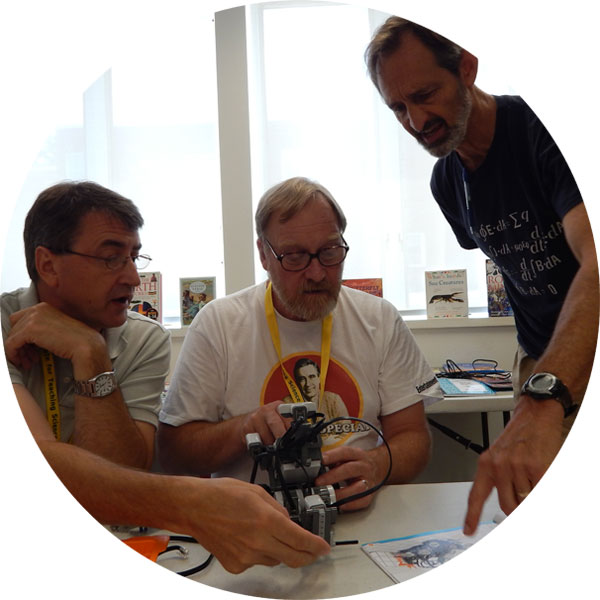
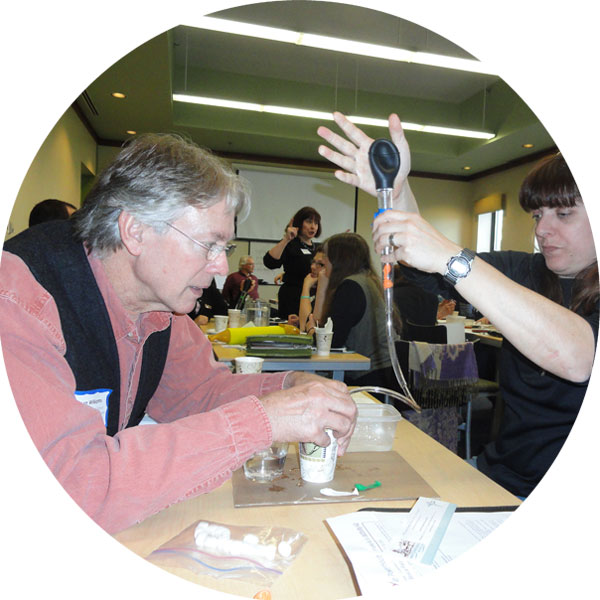
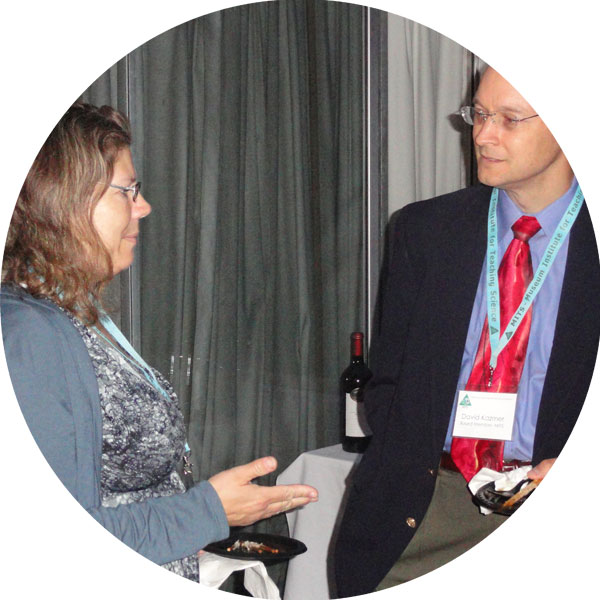
The Summer Institutes are two-week professional development workshops that model, teach and encourage PreK-8 teachers to use inquiry-based, hands-on methods of teaching STEM subjects in their classrooms.  The Institutes are held in nine regions throughout Massachusetts providing greater access to teachers.  Generally, there are four or more participating museums in each region with complementary programs according to the central theme for all the Institutes. Teachers:

Why is inquiry-based instruction so important?

Inquiry-based instruction allows students to develop knowledge and understanding of scientific ideas through directed, guided, and open-ended activities.  This has been shown to be the most effective approach to learning STEM subjects by helping students to become more engaged in their lessons. Inquiry-based learning allows students to ask questions, observe, discover, interpret, and theorize.  Students are able to grasp a better understanding and have better retention of the principles being taught. The following are key points to the benefits of inquiry-based instruction.

1)  Inquiry-based teaching allows students, most of whom have differentiated learning abilities, a variety of ways to show what they have learned through oral reports, diagrams, charts, etc. more clearly than a standardized test.  It is an excellent method of teaching all children. 

2)  Through inquiry-based learning, skills are developed that have inter-disciplinary benefits.  Children develop better reading, writing, and communications skills through the process of sharing of ideas, observations, and findings.  The use of data collection and analysis from the inquiry-based process strengthen students’ mathematics skills.

3)  When science is taught as a process as well as with content, students learn how concepts and facts relate to each other.  As they observe, collect data, interpret, and explain possible sources of error for their results, they are developing critical means of thinking.  This allows children to be independent thinkers and question daily information in the world around them.

4)  Lastly, the process of open-inquiry contributes to the ability of students to make informed choices that is essential in their life.  As students are taught concepts, they create explanations (hypotheses), making predictions, observe, and conclude.  They learn from the outcome of their choices. 


MITS, Inc. (Museum Institute for Teaching Science)
308 Congress Street, Suite 5D
Boston, Massachusetts 02210-1027
Tel. 617-695-9771 Fax 617-695-1829
mits@mits.org